Best British Virgin Islands Snorkeling for Newbies & Pros

You don’t need a dive certification, a boat of your own, or even much experience to see incredible things underwater in the British Virgin Islands. Calm, protected bays sit a short swim from deeper reefs and a 150-year-old shipwreck, so there’s something here for everyone.
We’ve spent years exploring these waters, and one of the best things about the BVI is that no matter the weather, there’s almost always a reef you can get to. It just depends on knowing which spots work for which conditions and which comfort level.
Best Snorkel Spots for Beginners & Calm Water
The Bight & Kelly Cove, Norman Island
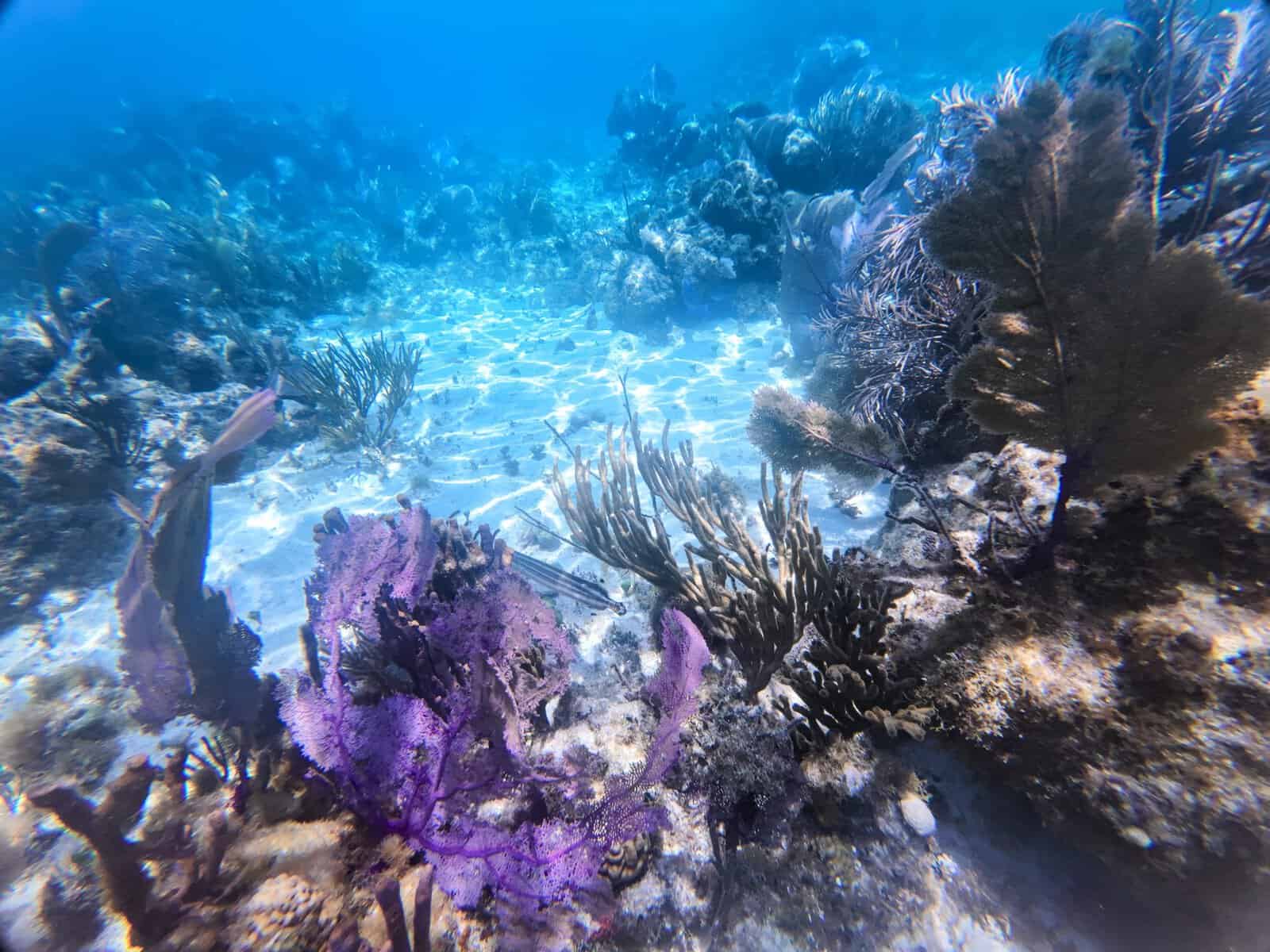
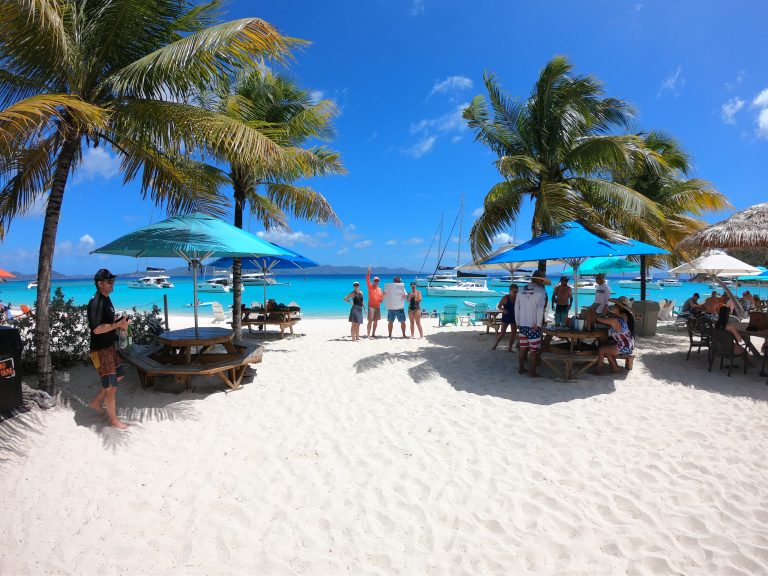
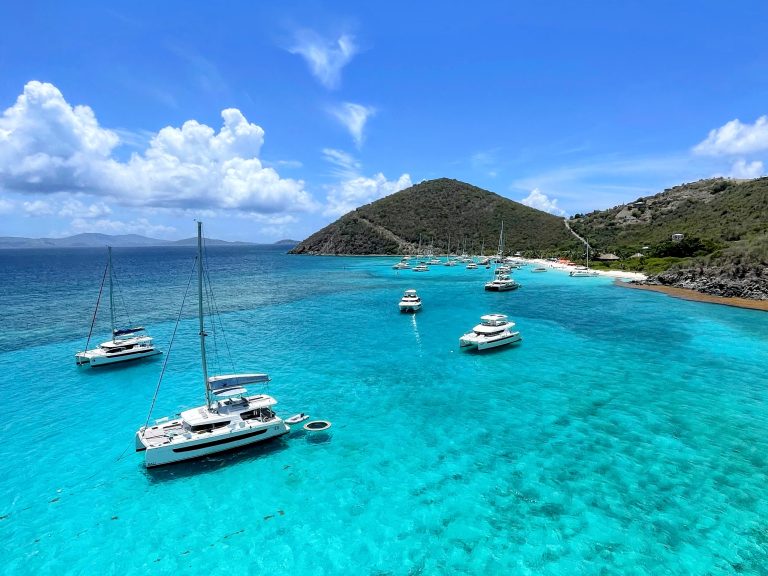
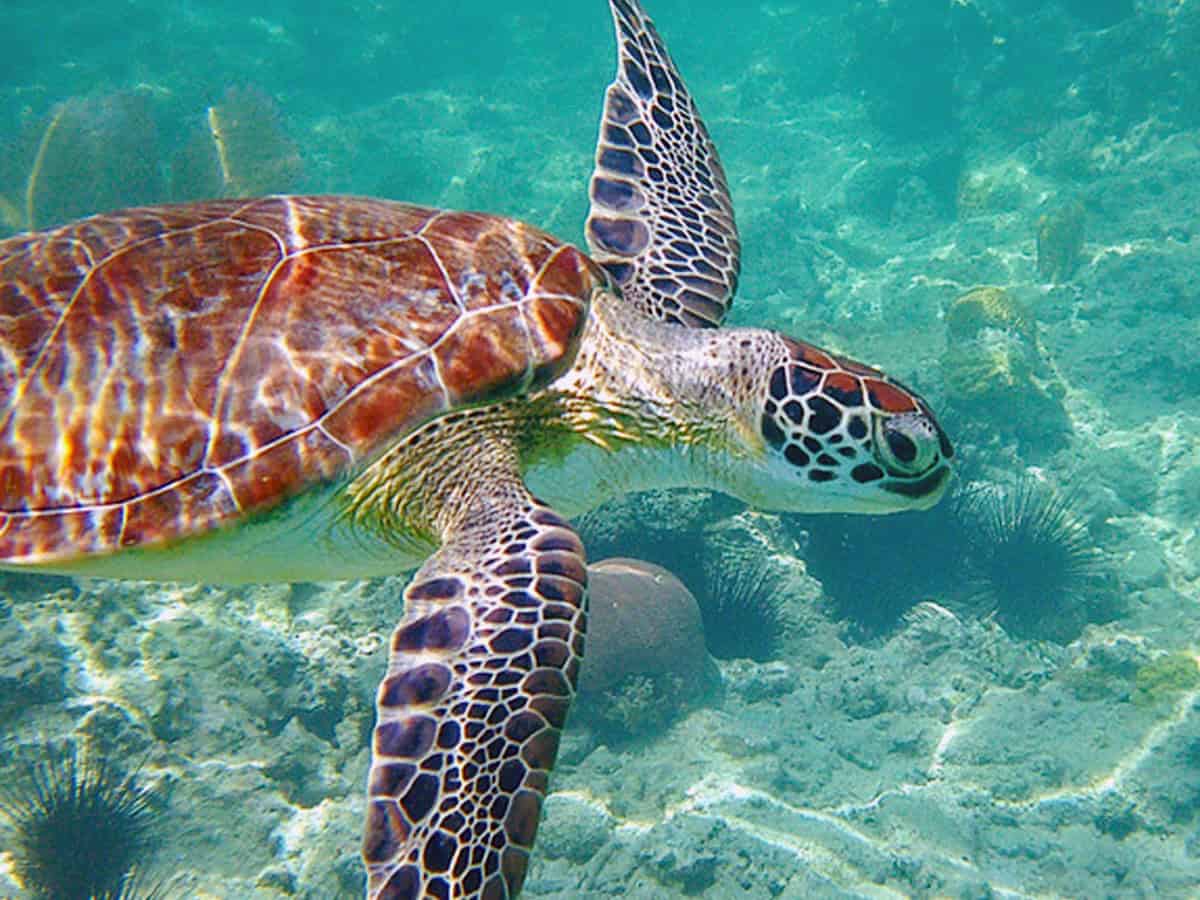
The Bight is a big, protected bay, and it’s worth thinking of it as a few separate snorkel spots rather than one continuous swim. Right off the beach at Pirates Bight, you’ve got a great shot at spotting turtles over a grassy, sandy bottom. The southern coast of the bay is its own stop with sporadic coral where our guests always see turtles! Kelly Cove (near Water Point on some maps) is a separate healthy reef area best reached by dinghy or boat.
What you’ll see: Coral reef, green sea turtles, nurse sharks, yellowhead jawfish, vibrant fish such as sergeant majors and parrot fish, even octopus and lobsters tucked into the rocks
Conditions: Calm, shallow, accessible in most weather patterns
Access: Right off the beach or via boat for Kelly Cove
The Caves, Norman Island
Round the point past the western edge of the Bight, and you’ll pick up more coral and fish, leading into three caves. Two are tiny open coves, one you can actually swim into. It’s nice to have a flashlight to see the rocky bottom, but not entirely necessary since it’s never fully dark inside. The best part comes once you’re all the way in and turn back around, watching the sunlight pour in through the entrance is a genuinely beautiful moment.
What you’ll see: Tarpon, barracuda, yellowtail snapper, blue tangs, sergeant majors, and sea turtles
Conditions: Calm (unless there is a north swell running), good for a slow explore
Access: By boat only. Popular day boat tour stop.
Blue Chromis Reef, Haulover Bay, Cooper Island
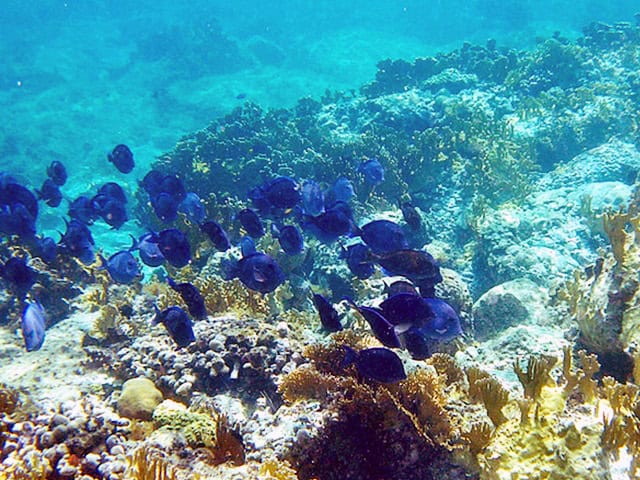
This is a calm, shallow spot that’s easy for first time snorkelers. The reef here gets its name from the abundant blue chromis that gather over it. It’s a short dinghy or boat ride from the mooring field, calm and shallow enough to make it one of the easiest reefs in this guide
What you’ll see: Blue chromis, dog snapper, wrasse, damselfish, small grunts
Conditions: Calm, shallow, low current
Diamond Reef, Great Camanoe
This is, in our opinion, one of the top snorkeling spots around here. It runs from the surface down to about 30 feet before dropping to sand, and most of the action happens within the top 10 feet. Zigzag as you swim instead of going in a straight line, it keeps you moving between depths and gives you a better shot at spotting pelagic fish.
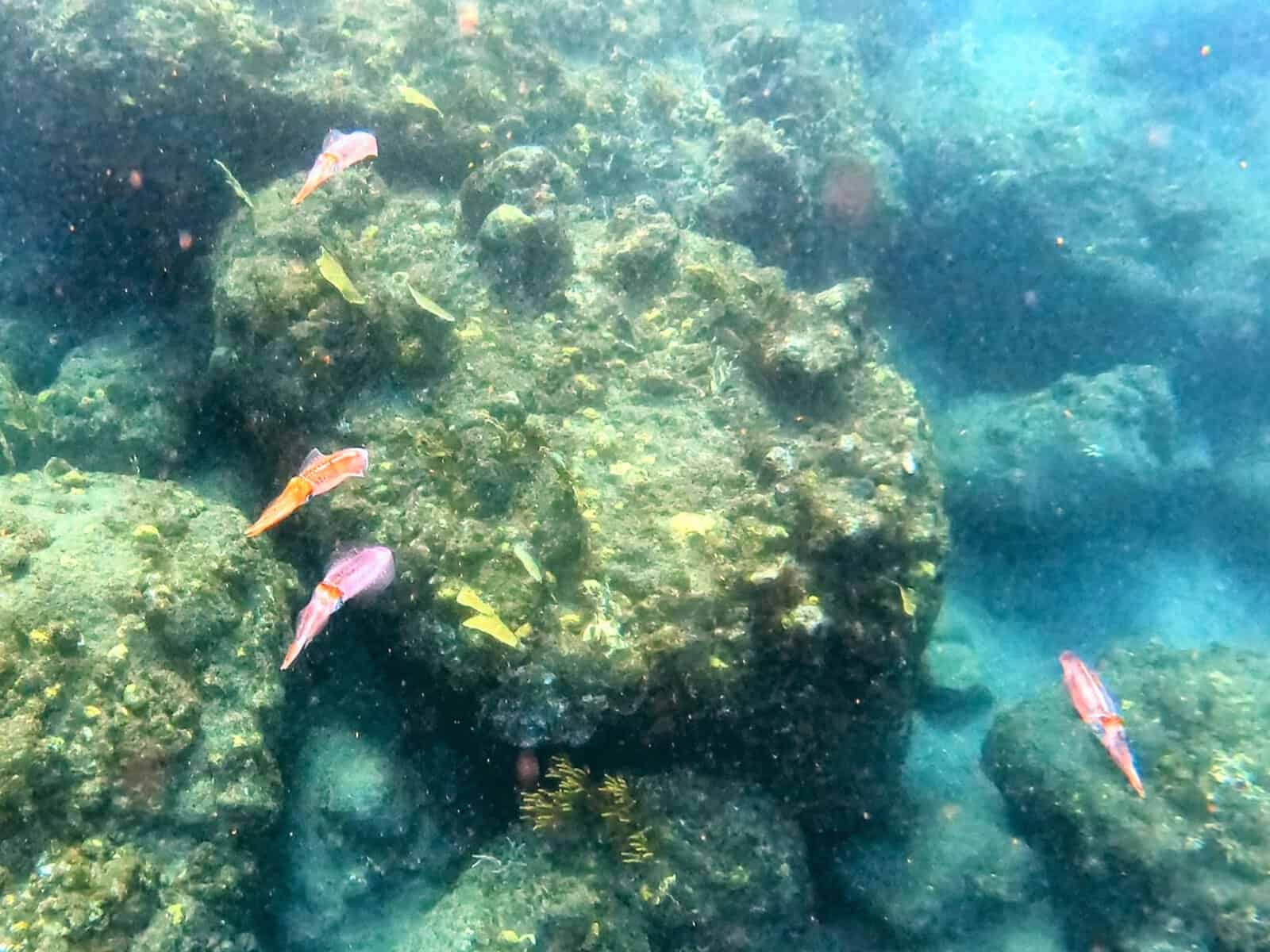
What you’ll see: French angelfish, stoplight parrotfish, foureye butterflyfish, squid, stingrays, and pelagics like jacks passing through open water
Conditions: Calm, great visibility
Access: By boat or via a private island estate on Great Camanoe. Slopes from shore to about 30 feet.
Diamond Cay, Jost Van Dyke
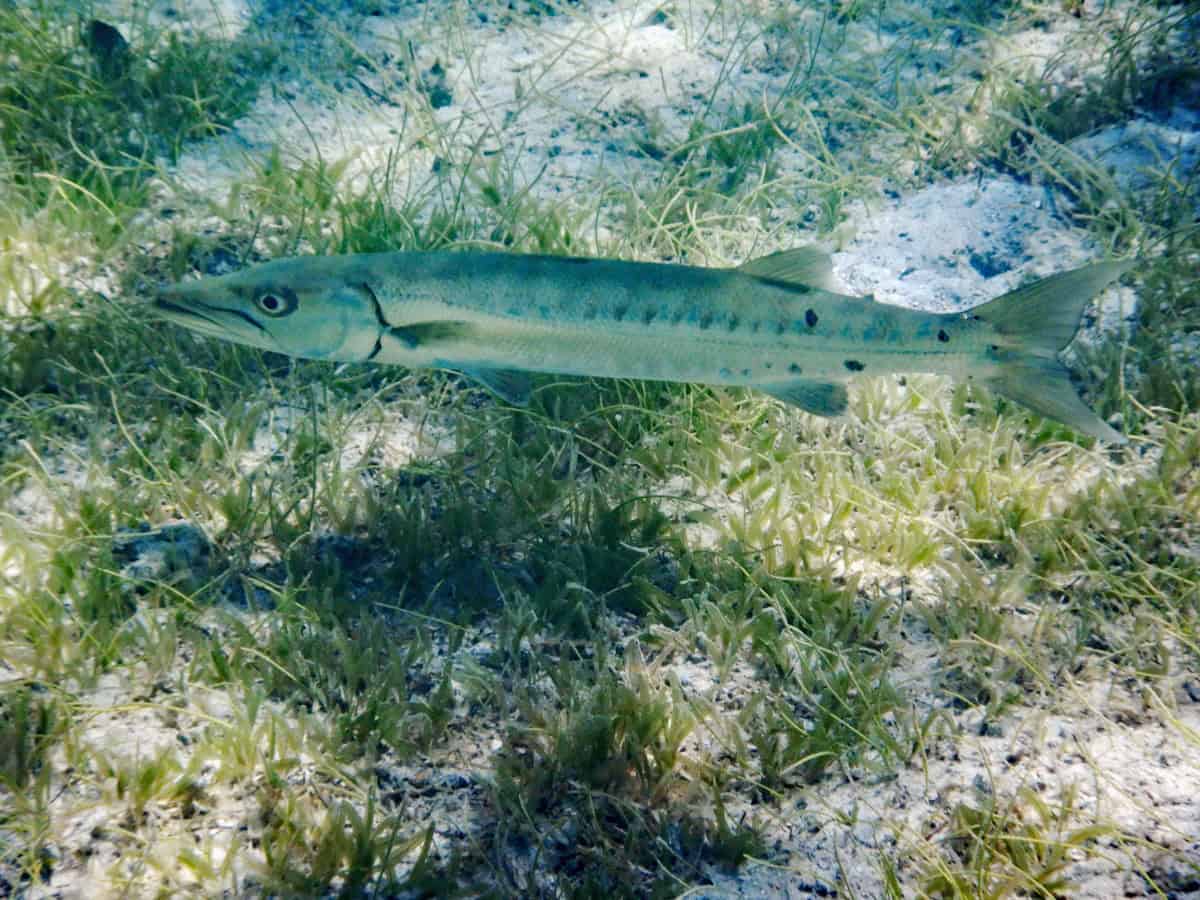
Shallow the whole way around, under 10 feet, with a pretty dense reef for how shallow it is. Despite the name, it’s really more of a peninsula than an island, so you’re swimming along it rather than circling it, and it’s always quiet out here. On one visit, a barracuda decided to join us and swam alongside for a good while before peeling off.
What you’ll see: Stoplight parrotfish, wrasse, barracuda, stingrays, yellow goatfish, and healthy coral
Conditions: Calm, shallow
Access: Have a spotter and/or swim float on the north side, it sits close to boat traffic from nearby docks.
Best Spots for Intermediate Snorkelers
The Indians, Norman Island
A top snorkel and dive site for good reason. We aim to arrive here around lunchtime, after the morning rush and before the afternoon crowd. There’s a swim-through on the east side, and a wall on the west side covered in soft and hard coral. Water depth varies from just a few inches to 50 feet.
What you’ll see: Sea turtles, barracuda, moray eels, blue tangs, schools of harmless moonjellies in summer, and dense coral garden toward Pelican Cay
Conditions: Busy but worth it, evenings are quieter but less vibrant
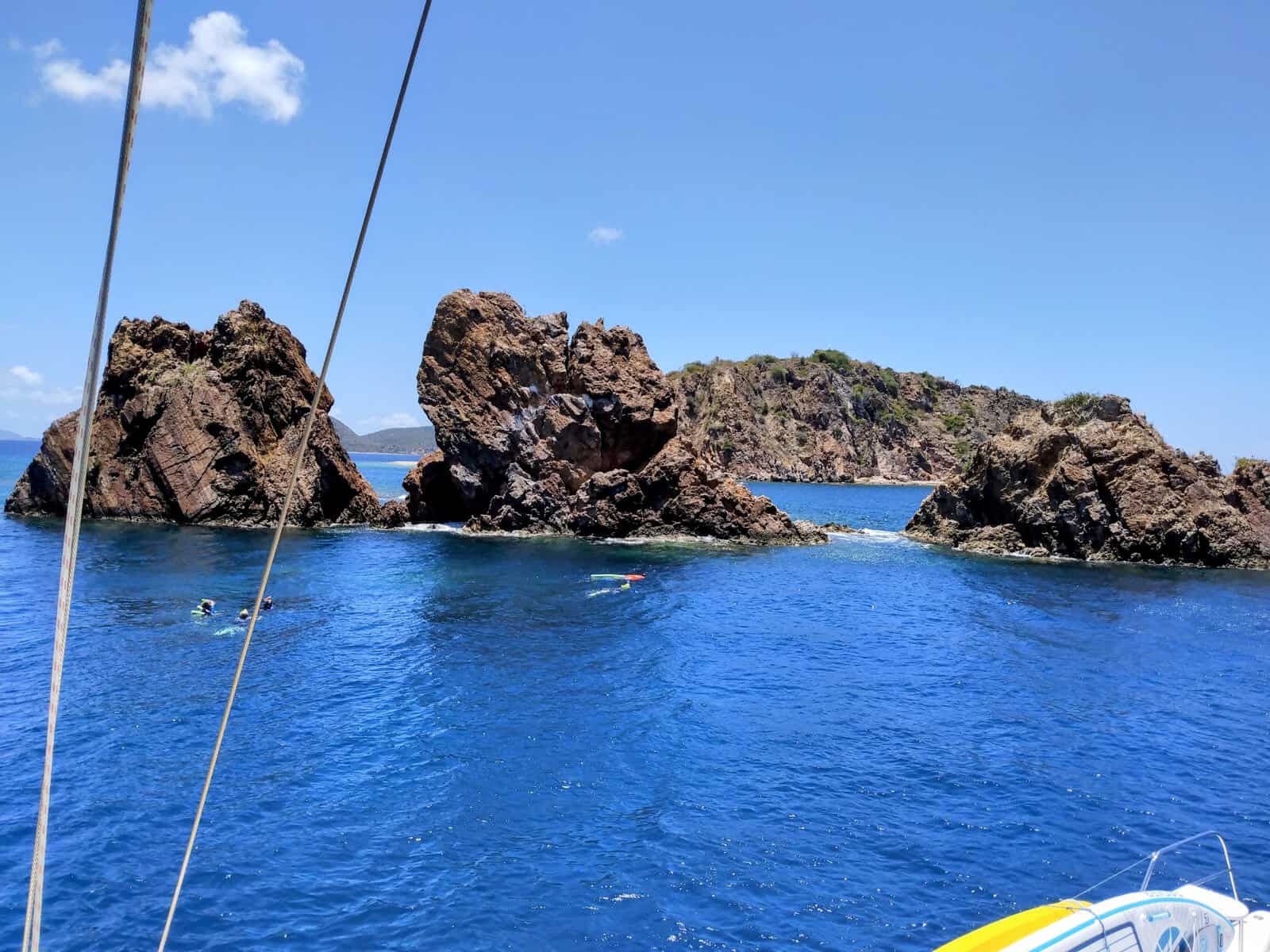
Access: Mooring ball only with National Park permit, anchoring is prohibited here as part of the national park
Mooring ball colors: orange or red are for recreational use; yellow is commercial vessels only; blue is dinghy use only. All moorings are day-use only, maximum 90 minutes.
The Baths / Spring Bay / Valley Trunk, Virgin Gorda
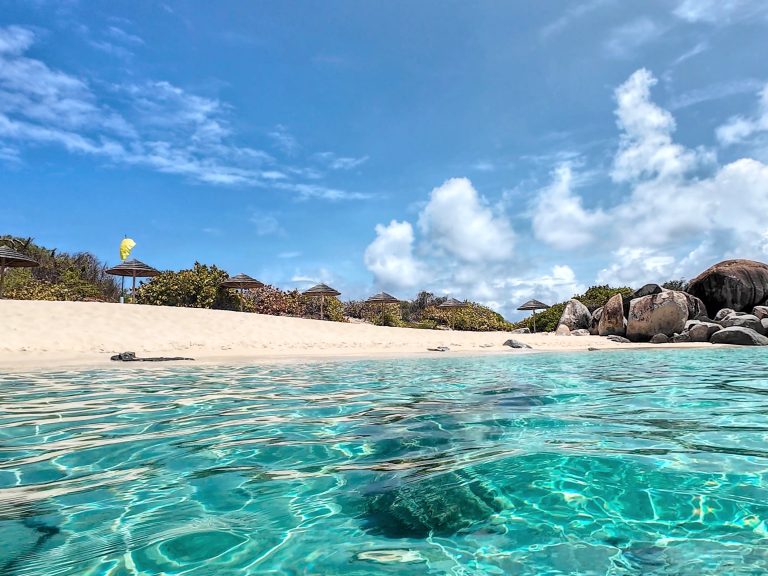
Less about dense coral, more about the granite boulder formations. This area shows off the geology best from underwater, magnified through the water. You can read our full guide to the Baths by clicking here.
What you’ll see: Sergeant majors and small reef fish weaving through the granite boulders, scattered coral pockets
Conditions: Calm inside the bays (unless there is a north swell running). Watch for the posted flag system: yellow means exercise normal caution, red means no swimming, purple means caution for marine life like jellyfish.
Access: Easy entry from shore or boat
Buttonwood Bay, Great Harbour, Peter Island
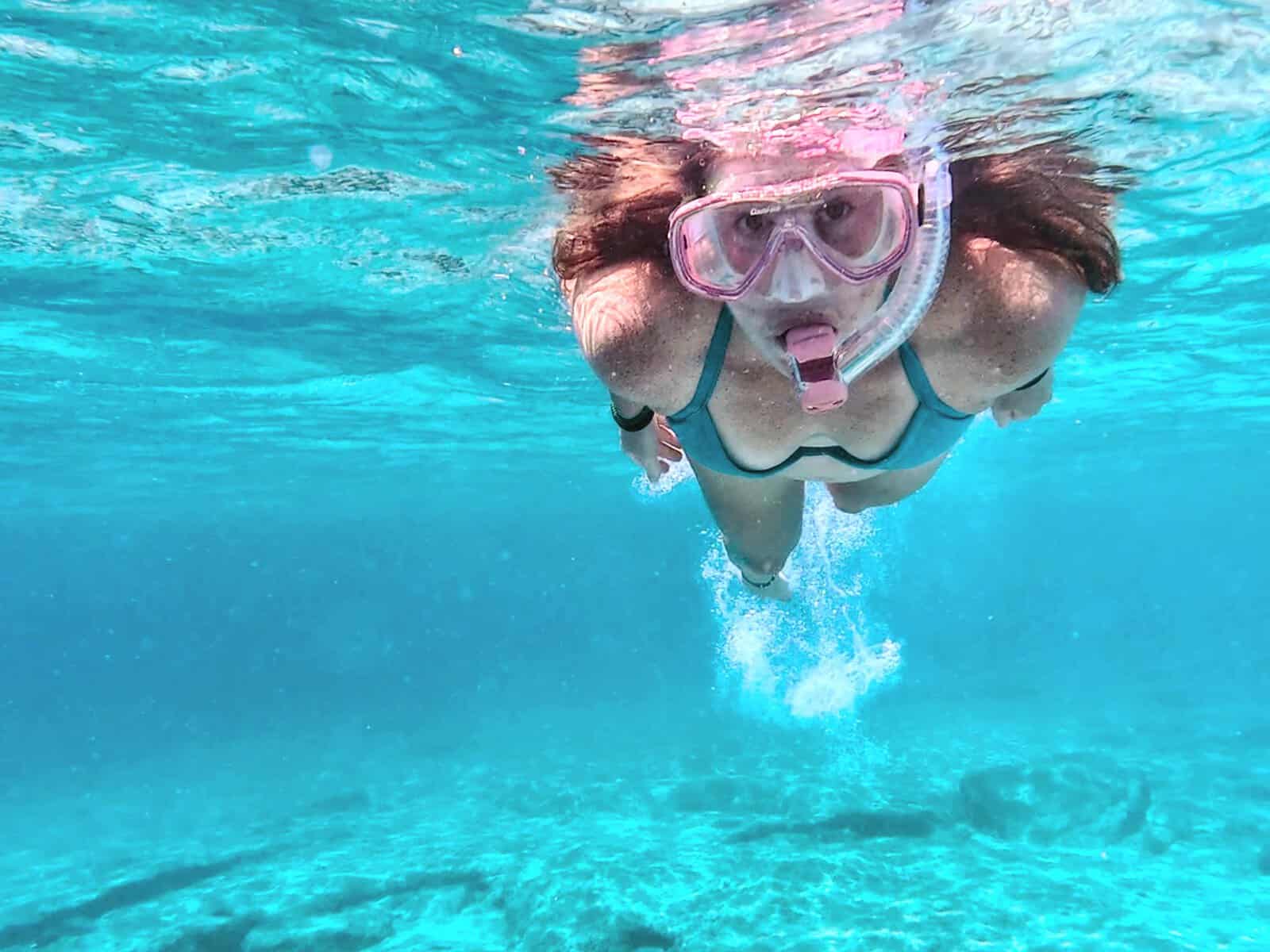
A great reef along the west side of the harbour with a gradual slope from 10 to about 30 feet with patchy but healthy coral heads. The rest of the bay is grassier, better for turtles, rays, and tarpon than coral. We’ve had to call off a snorkel here before when it got too choppy, so check conditions first.
What you’ll see: Grouper, trunkfish, damselfish, turtles, nurse sharks, healthy coral from 10 to 30 feet
Conditions: Exposed to the easterly trade winds (the steady winds that blow through the Caribbean most of the year, not a passing storm), check weather and current first
Cistern Point & Manchioneel Bay, Cooper Island
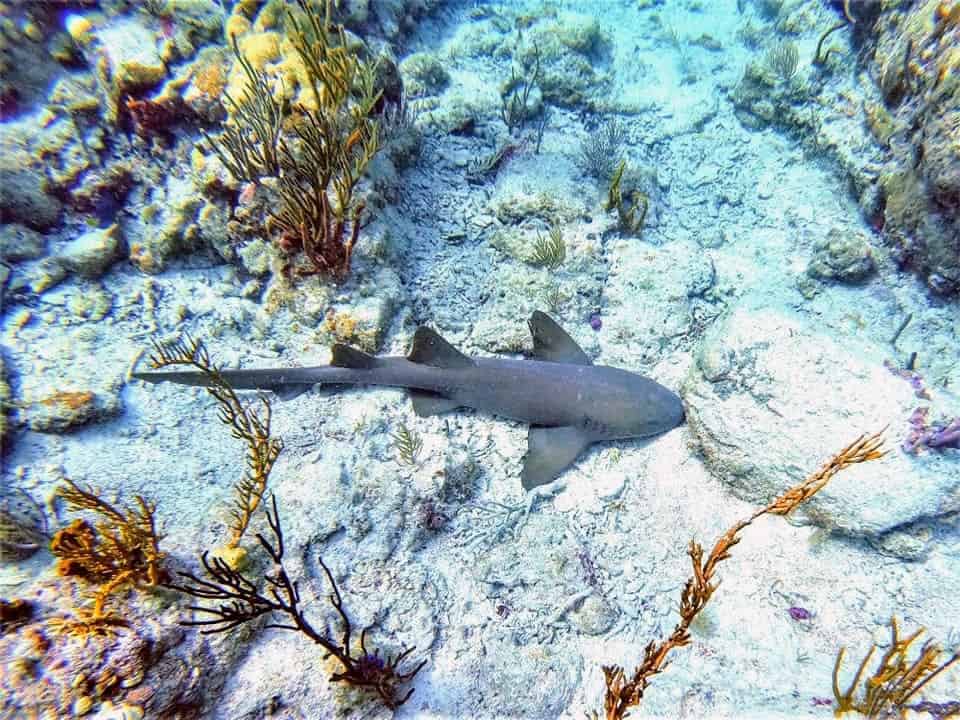
Cistern Point sticks into the channel, so it catches current and waves. Manchioneel Bay, where the mooring field sits, is calmer, with a grassy bottom.
What you’ll see: Sea turtles, spotted eagle rays, and southern stingrays in the mooring field, healthy coral at the point
Conditions: Can be choppy at the point in trade winds
Access: Dinghy or swim from beach or the mooring field
Loblolly Bay, Anegada
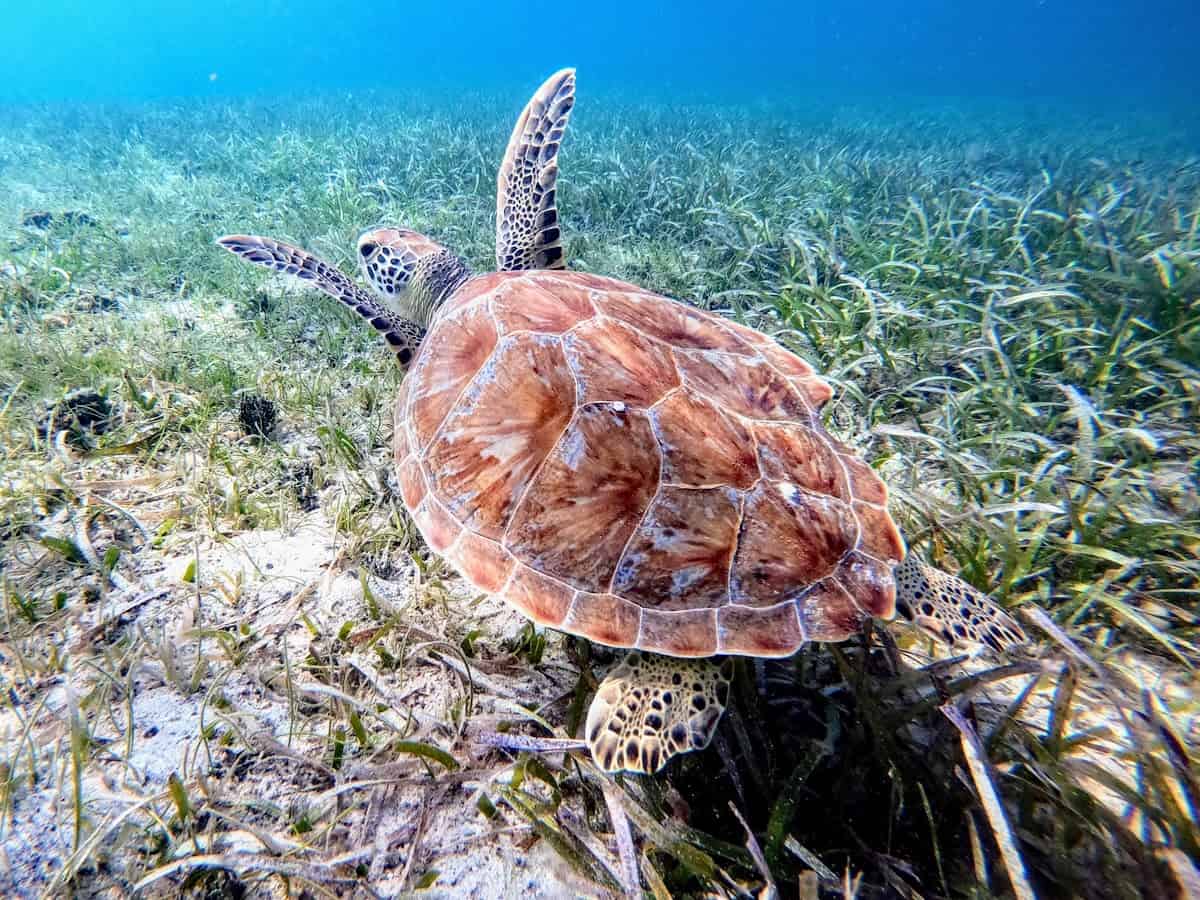
A drift snorkel off the restaurant Flash of Beauty, just behind the sand dunes and brush along the beach. Get in at the eastern end and let the current carry you over shallow coral heads with patches of sand in between. Give yourself around 40 minutes for a nice, unhurried drift, though it can go by faster if the current is really moving that day.
What you’ll see: Grunts, snapper, parrotfish, the occasional turtle along the drift
Conditions: Shallow, under 10 feet, but current dependent
Access: Easy entry and exit right off the beach
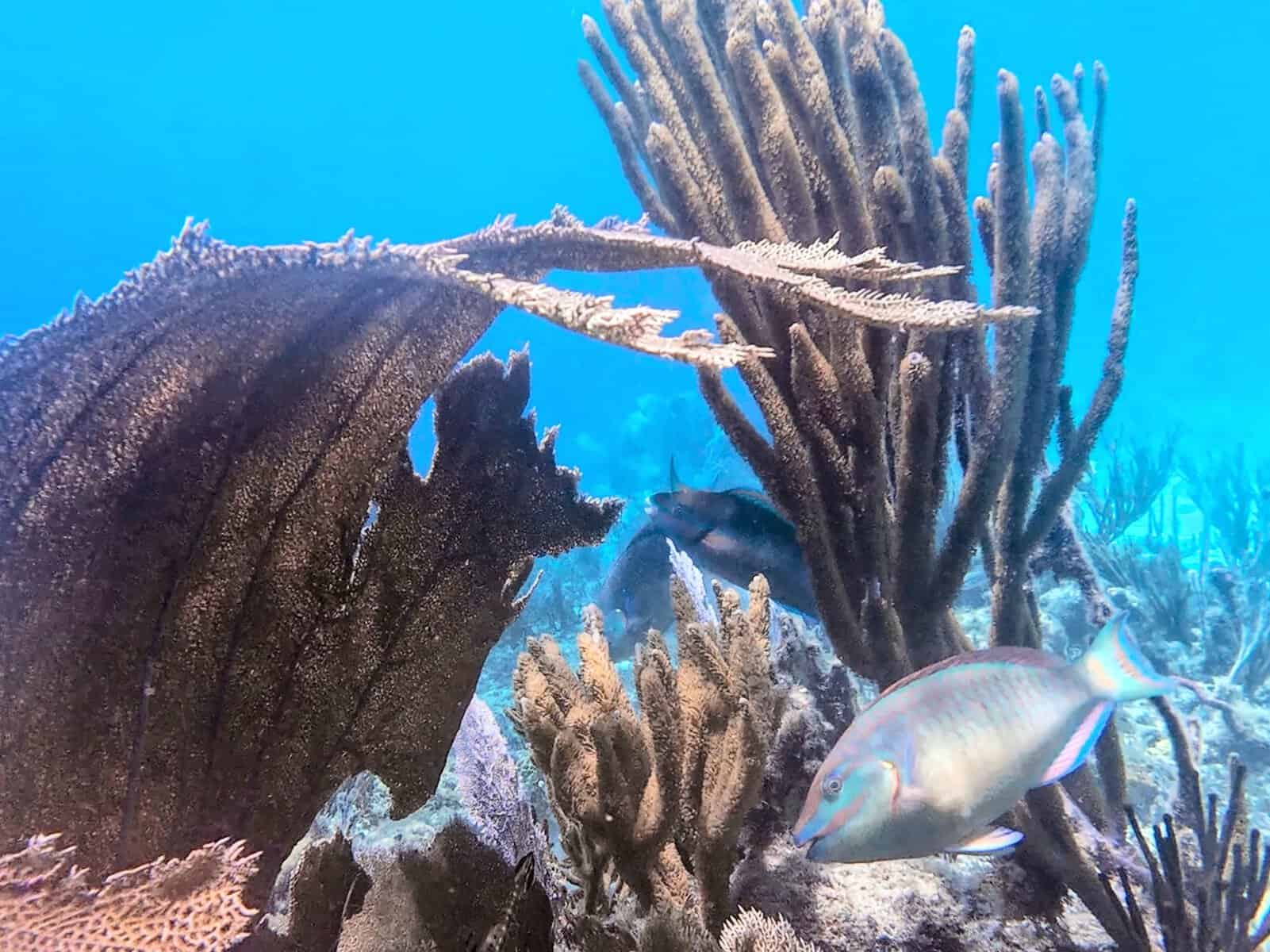
Best Spots for Experienced Snorkelers
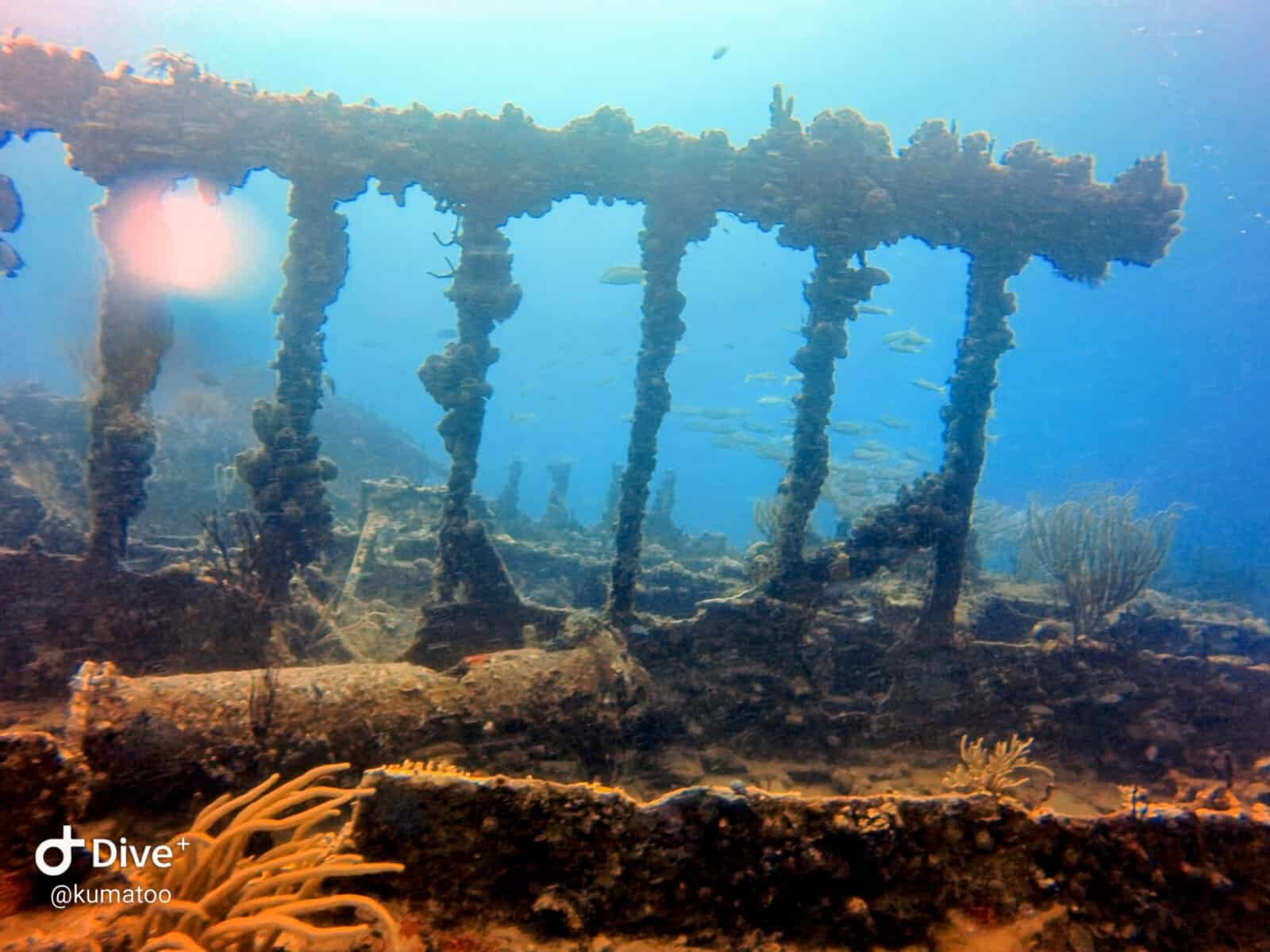
Wreck of the RMS Rhone, Salt Island
More of a dive site than a snorkel spot, but no BVI list is complete without it, and wreck dives are some of our favorites! This is one of the most well known wrecks in the Caribbean, with real history behind it. The stern of the wreck sits around 30-35 feet.
What you’ll see: Wreckage from the 310-foot RMS Rhone that sank in 1867, green moray eels, French angelfish, grouper, turtles, plus Caribbean reef, blacktip, and nurse sharks, and colorful coral on and around the wreck site
Conditions: Exposed to strong current. Visit in calm conditions only.
South Bay, Ginger Island
Accessible only when a north swell rolls through. Jurassic looking rock formations along shore create small cave-like swim-throughs. We’ve had guests who’ve been visiting the BVI for over 20 years (with us for 5), and they told us this was their favorite spot they’d ever snorkeled, anywhere.
What you’ll see: Reef squid, lobsters and nudibranchs tucked in the rock crevices, reef fish moving through the swim-throughs
Conditions: Requires a north swell to be calm and accessible, timing with weather is key
Alice’s Backside, Ginger Island
A short ride away, Alice’s Backside is a good second stop on Ginger Island, but it’s the opposite of the South Bay in one important way: it’s only accessible when the weather is calm and settled, a north swell will close this one out completely.
What you’ll see: Large brain and mushroom coral heads scattered across sand
Conditions: Requires calm, settled weather, not accessible during a north swell
Horseshoe Reef, Anegada
A drift snorkel in open water where you can’t touch bottom, mentally and physically a step up. A local guide is required, and well worth it, you can’t visit on your own.
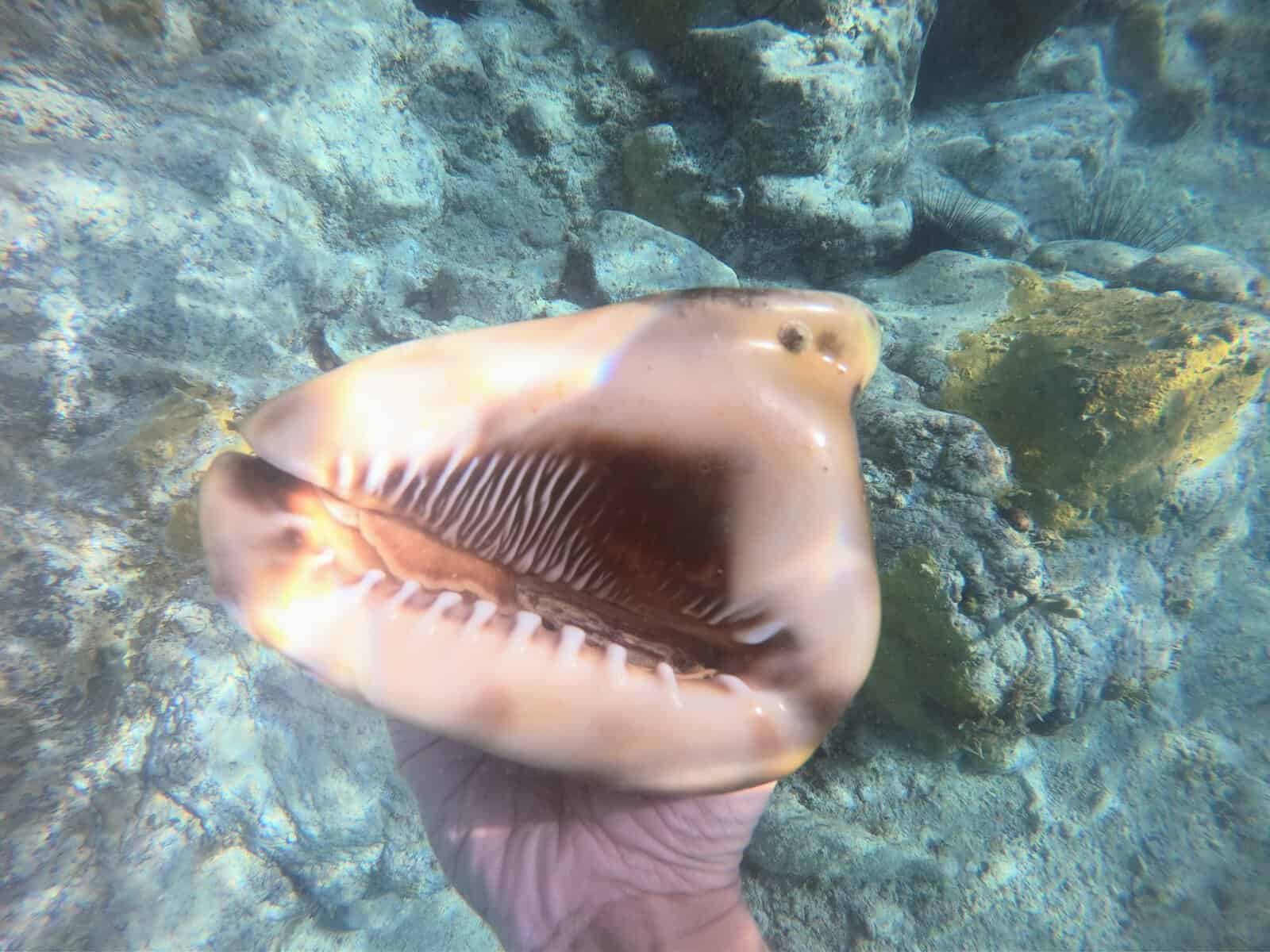
What you’ll see: Some of the most vibrant, healthy coral in the BVI, spotted eagle rays, southern stingrays, sea turtles, so many colorful fish, and conch scattered across the sand
Conditions: Current dependent, open ocean feel but protected by the fringing reef
Access: Local guide only
Eustatia Reef, Virgin Gorda
This one covers a bit of ground. The fringing barrier reef itself is dense, healthy coral, not patchy at all, but once you’re inside Eustatia Sound, the reef breaks up into more scattered coral with sand patches between. That’s where the cannons are, and they’re genuinely hard to find, dropped seemingly at random across the sandy stretches of the sound, encrusted in growth after all these years.
What you’ll see: Old cannons on the sandy bottom, moray eels, and reef fish along the healthy pockets of coral
Conditions: Only accessible in calm conditions, exposed to easterly trades
What to Pack & Know Before You Go
Gear Essentials
Bring your own gear if you can, fit varies a lot person to person and it’s worth having something you’ve already broken in before you get here. Though most charter operators and day boats will provide basic snorkel gear.
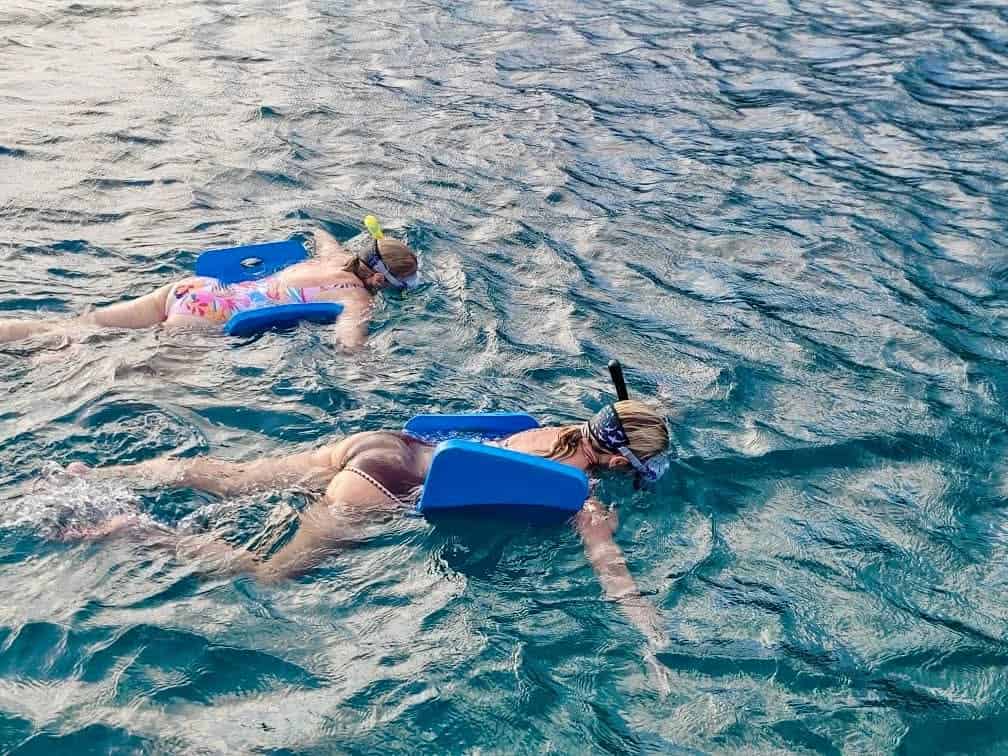
- Mask — the biggest factor in comfort. Everyone’s face shape is different, so it’s worth trying a few before you settle on one.
- Snorkel — a simple one works fine for most people. Look for a dry-top design that keeps water out if a wave splashes over.
- Fins — we like pairing ours with booties for comfort, it keeps the rubber from rubbing your feet raw on longer swims.
- Rash guard — protects your skin from sun and adds a layer of protection if you brush against coral.
- Inflatable swim buoy — keeps you visible on the water and gives you something to rest on between spots. We prefer this over a bulky snorkel vest.
- If you’re looking for a full packing list for a sailing trip, check out our Essential List Here
⚠️ A note on full-face snorkel masks: they’ve become popular for their wide field of view, but the enclosed design can trap exhaled air, causing a CO2 buildup that leads to dizziness, confusion, or worse, especially in kids. The CPSC issued an active warning on a specific brand just this year, so this is still a real and current risk. If you use one, check for proper exhale valves and a good seal, and get out of the water at the first sign of a headache or feeling foggy.
Reef Safe Sunscreen
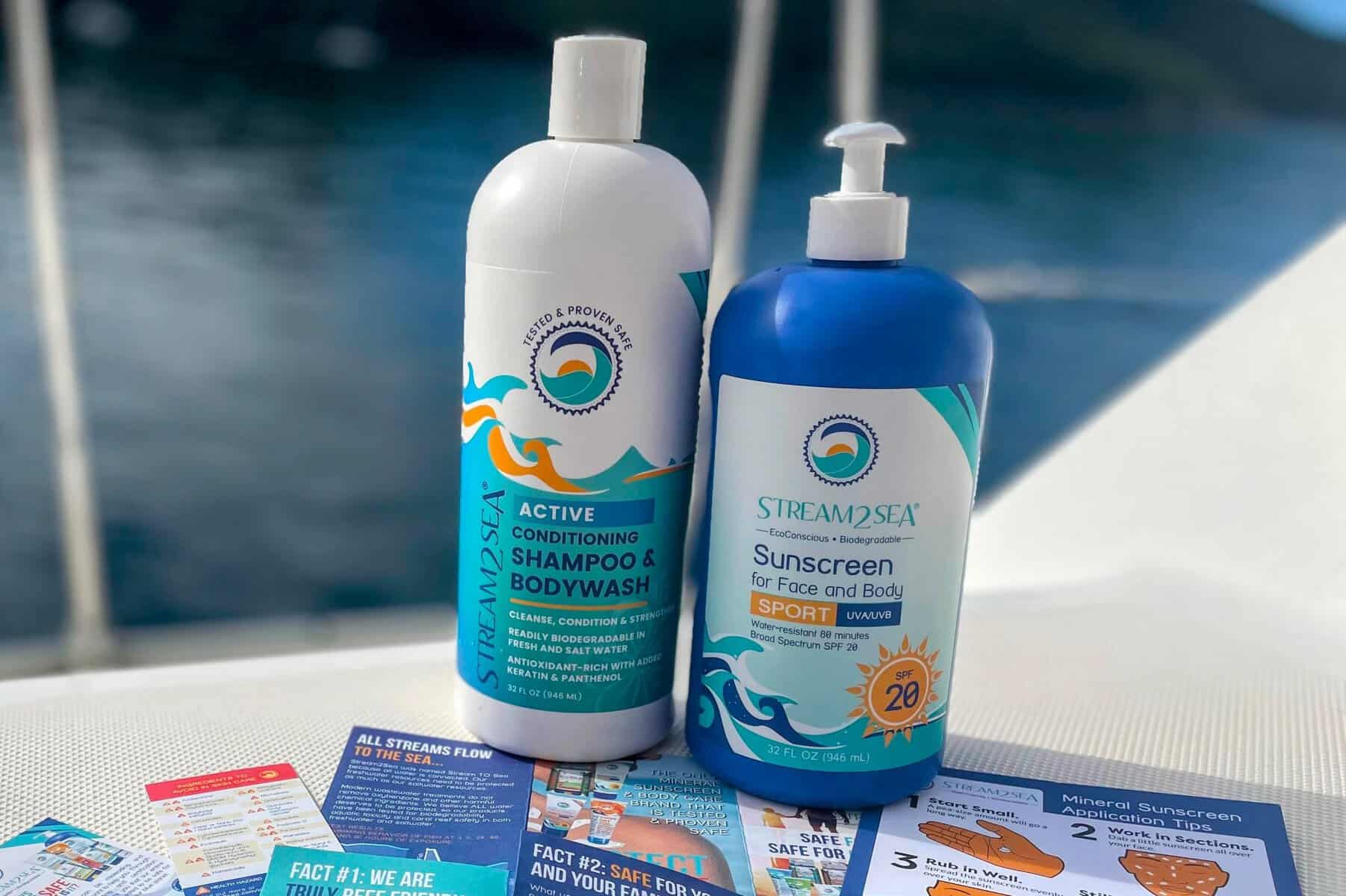
This one matters a lot to us. Mineral sunscreen (zinc or zinc oxide) is the only kind that’s actually reef safe. “Reef safe” isn’t a regulated term, so read ingredients, not labels. With thousands of people in these waters every single day, it adds up fast. Wearing mineral sunscreen is a small thing, but it’s one small thing you can actually control.
Basic Snorkeling Safety
Wear visible clothing and swim with a highly visible float, and a whistle isn’t a bad idea either. Never touch marine life, coral is fragile, and the oils on our hands can affect coral or how sea life interacts. Fire coral in particular can hurt you right back if you brush against it. Know your limits, and always swim with a buddy.
💚 Our brightly colored Sailing Kuma Too dry-fit shirts, are perfect for this! 👈
Reading the Weather
Watch waves, swell, current, and wind, not rain, clouds, or even temperature. Swell is essentially the direction the ocean is pushing waves from, and it can flip a reef from perfect to inaccessible in a few hours, even under a clear blue sky. A north swell, for example, makes almost every spot on Virgin Gorda inaccessible.
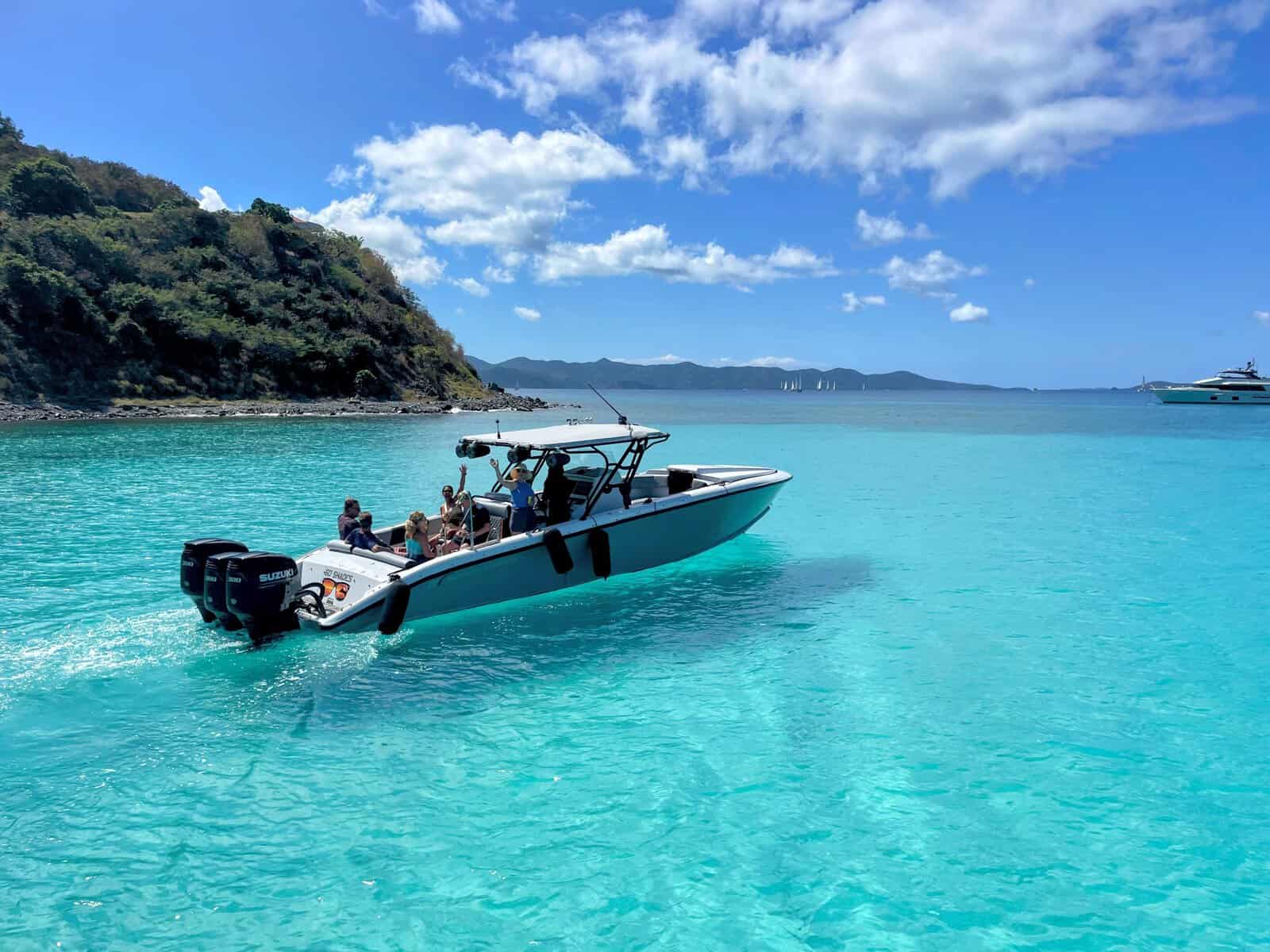
If you’re heading out with a charter or day boat, this is your captain’s job, not your’s. They’re reading these same conditions every day and choosing your stops accordingly. It’s still good to understand the why behind it, especially if you’re the one running your own boat.
Emergency Contact
VISAR (the Virgin Islands Search and Rescue, the BVI’s volunteer version of the coast guard) can be reached on VHF channel 16, or by calling +1 (284) 499-0911. The US Coast Guard also monitors channel 16 and can relay to VISAR if needed.
The Reality of Snorkeling in the British Virgin Islands
Coral Disease Is Reshaping These Reefs
Disease has become one of the biggest threats to reefs here. Several different coral diseases have moved through the BVI over the years, and they spread fast, especially as warmer water leaves coral more vulnerable. Some of it has permanently changed what certain reefs look like today.
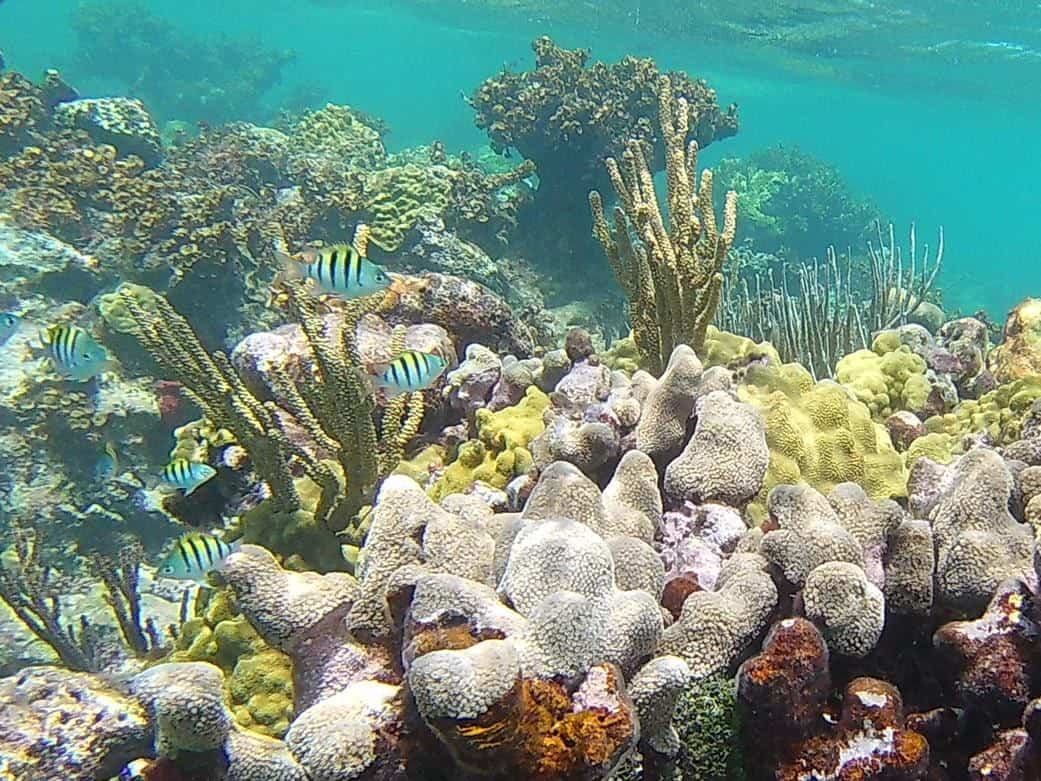
The good news is that local groups like Beyond the Reef are actively fighting back, treating affected coral and working to slow the spread. It’s making a real difference, but it’s an ongoing effort, not something that’s been solved.
Anchoring Impact
Boats anchoring directly on coral, often from unfamiliarity with an area, still cause damage. It adds up fastest around popular anchorages during big annual boating events, where reefs see hundreds of boats in a short window and never really get the chance to recover. Some spots that used to have healthy reefs simply don’t anymore.
Why Patience Pays Off Underwater
We’re patient snorkelers. Float over even a small rock long enough and you’ll see how much life is actually happening on it. One night we were anchored in a bay that isn’t known for anything in particular, just sitting on the boat, when a giant spotted eagle ray jumped right next to us out of nowhere. You just never know what’s out there.
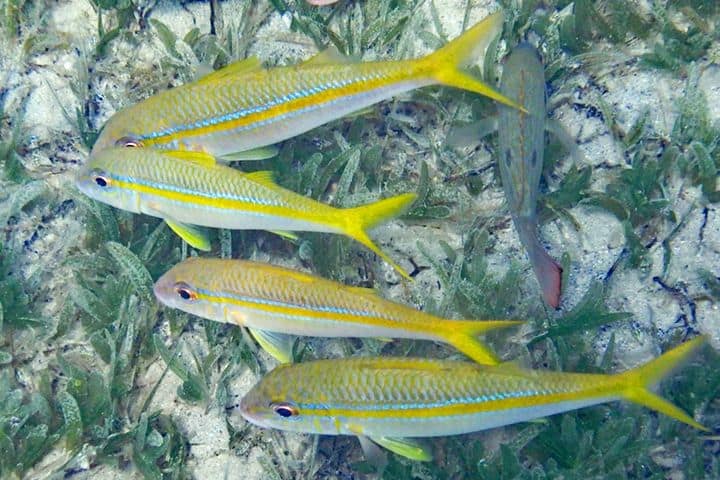
You don’t need a famous reef to see turtles, rays, or tarpon, they’re all over these islands. Slow down, and the ordinary spots start to surprise you. Joe always told our charter guests the same thing when they asked where the best place to snorkel was: “In the water.”
🚤 If you’re visiting without a boat, click here to learn more about out this power boat charter and if you’re visiting on a cruise ship, check out these excursions! 👈
Want the Full Map of BVI Snorkeling Spots?
This guide covers our favorites, but it’s not everything. The Dogs, Monkey Point on Guana Island, the reef systems around Great Camanoe’s other bays, and a handful of quieter Tortola and Jost Van Dyke spots didn’t make the cut here simply because we wanted this post to stay focused.
We’ve mapped out every snorkel spot we know across the British Virgin Islands on one interactive map, so you can pull it up right on your phone or tablet while you’re out on the water. Drop your email below and we’ll send you instant access.